

Why We Trim
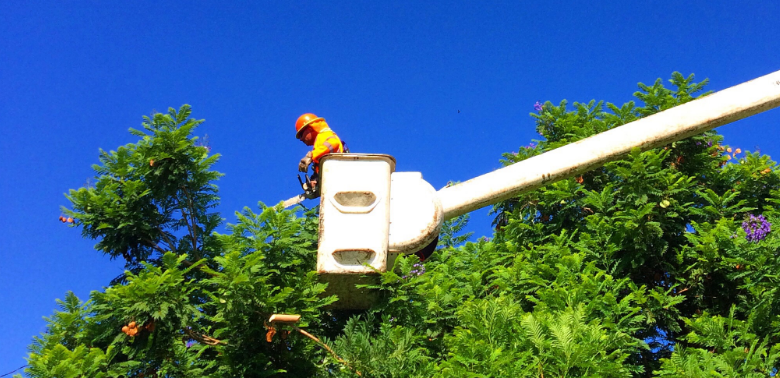
Trees near power lines can disrupt electric service during adverse weather conditions. To ensure reliability and comply with the National Electric Safety Code, we take action to prune or remove threatening trees.
Pruning is a key preventive measure against power outages, as trees are a leading cause of interruptions. Regular pruning, maintaining a minimum clearance of 15 feet between trees and power lines, is essential for uninterrupted service during gusty winds and thunderstorms.
Proper utility pruning reduces hazards caused by falling trees or limbs, which can damage wires and pose risks to motorists and pedestrians. Overgrown trees near power lines can endanger children who may accidentally touch live wires while climbing.
Directional pruning guides trees away from power lines by removing only interfering branches, preserving the tree’s natural crown. This approach ensures that unnecessary costs aren’t incurred due to damage or power losses in the right-of-way.
Ensuring Safety
- Well-maintained rights of way ease access for personnel and vehicles during storm restoration.
- This maintenance enhances the efficiency and safety of restoring power for all members.
- Trees pruned to ANSI A300 standards are more likely to maintain a healthy structure and appearance.
- DCREMC specifications require our contractors to adhere to the ANSI A300 standards when trimming trees.
- To ensure safety for everyone, DCREMC discourages members and untrained contractors from pruning trees near power lines.
- We utilize only qualified line-clearance contractors specially trained to work safely around our facilities.
* Please contact DCREMC before working near or trimming branches near power lines. Explore the Tree Trimming section for further information if you plan to remove or trim a tree near our power lines or if a tree leans excessively toward our lines. *
How We Trim
- All our crews undergo professional training to identify and address hazardous situations, employing proper pruning techniques to mitigate risks.
- We employ directional pruning, removing entire branches or limbs back to the main tree trunk or a significant lateral branch. This method guides future growth away from power lines, minimizes re-growth, and preserves the tree’s aesthetic appeal.
- We avoid tree topping, as this practice can lead to rapid height regain and the development of numerous, weak sprouts susceptible to breakage and storm damage.
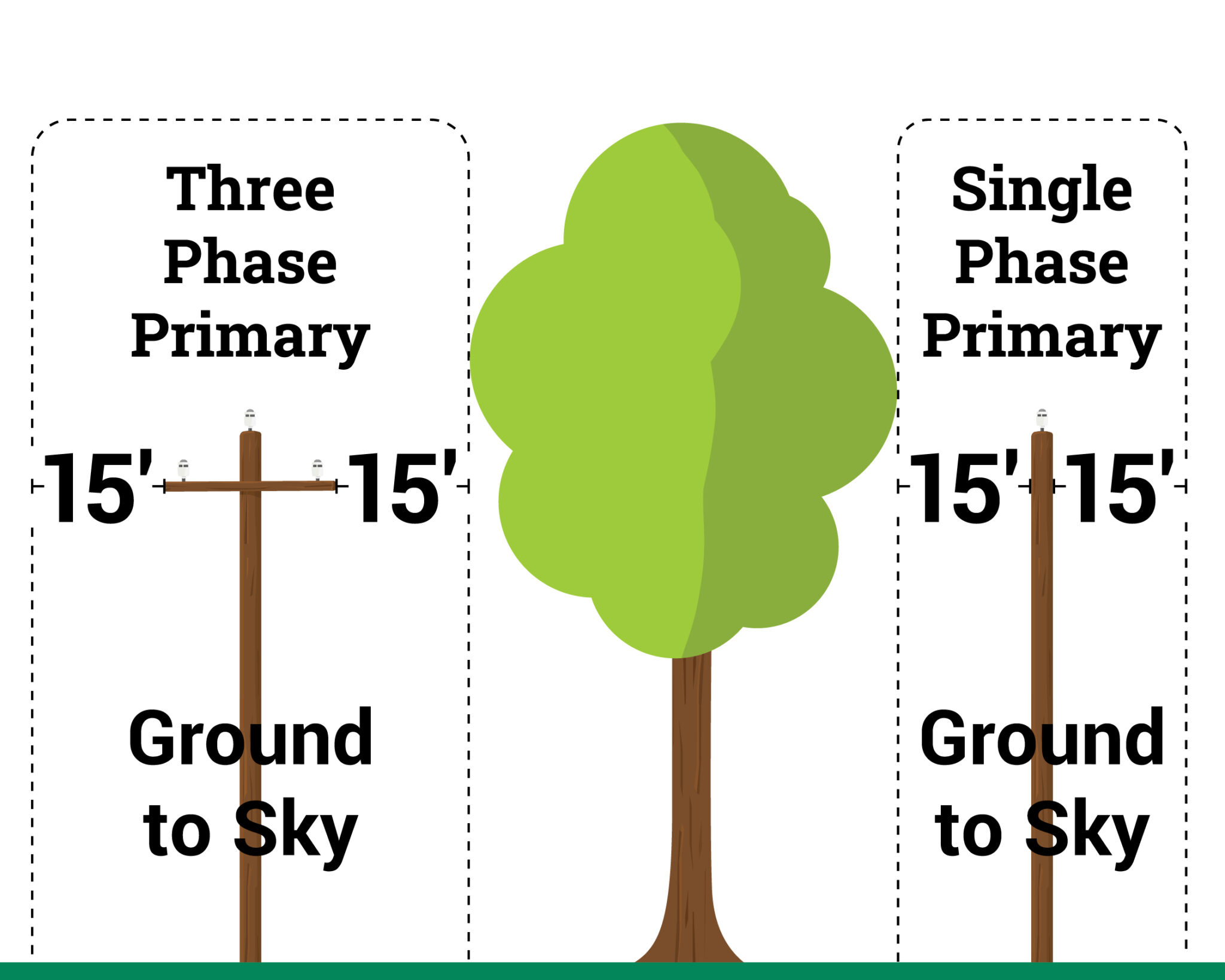
Primary Lines –
Main Power Lines
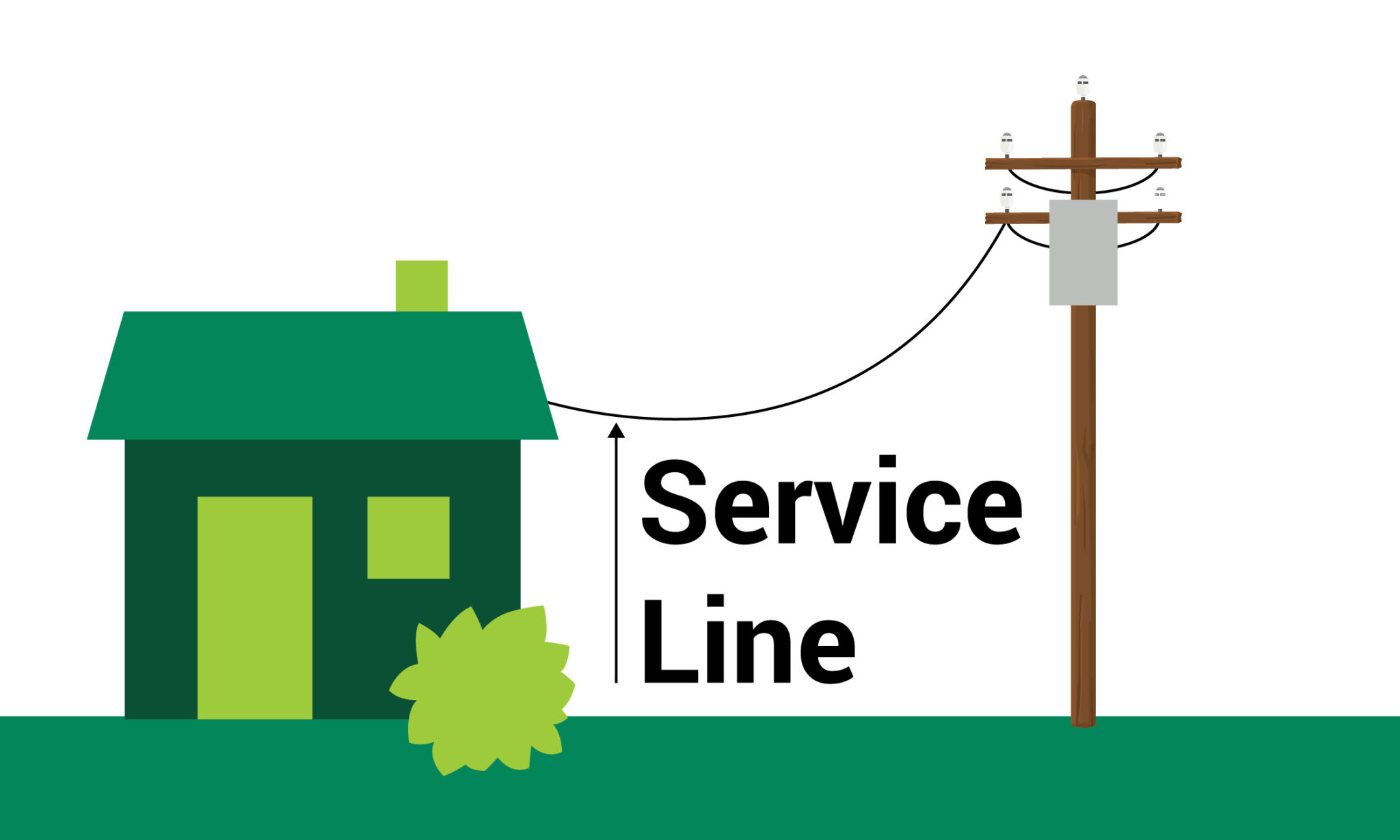
Service Lines –
Secondary Power Lines
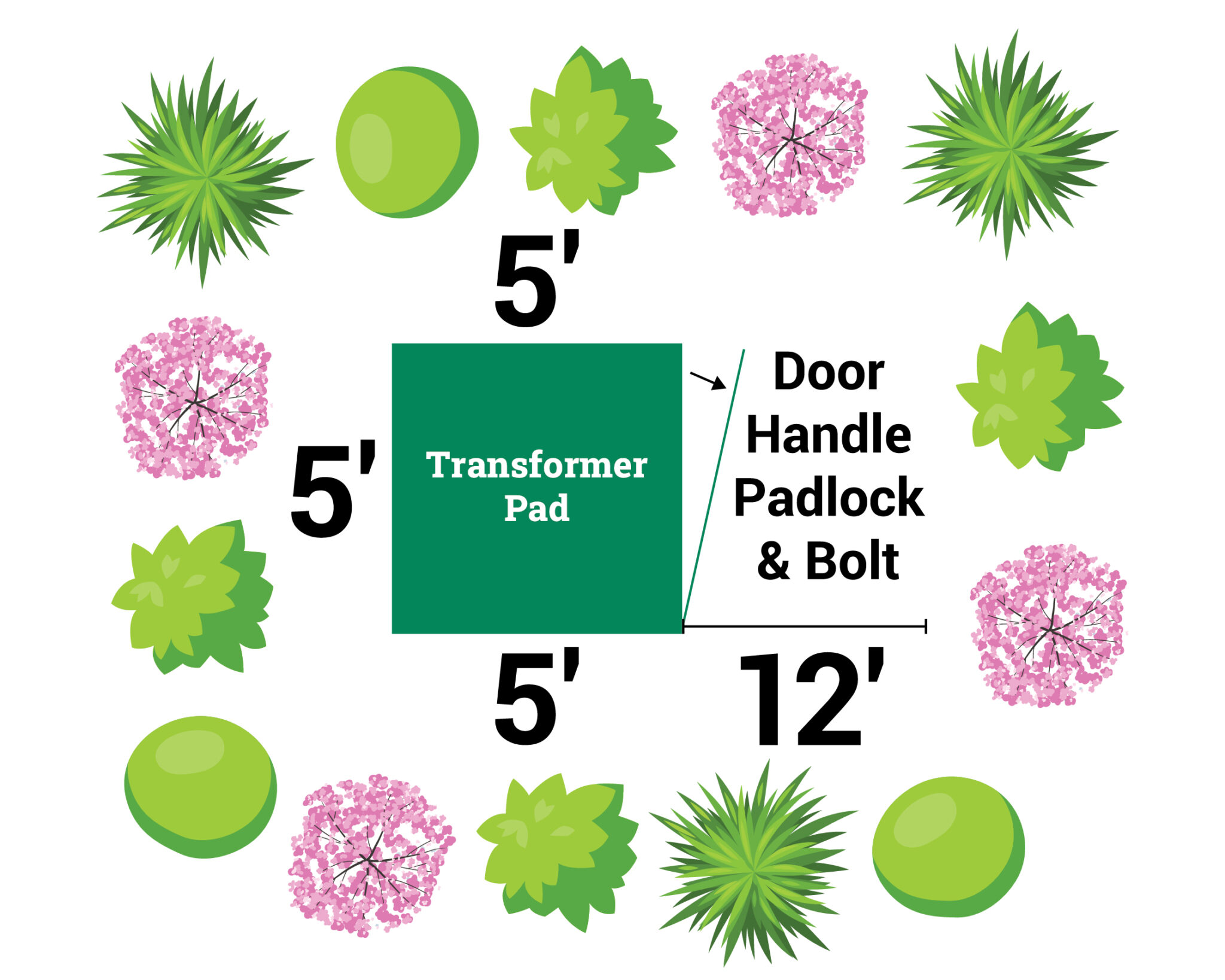
Underground Lines –
Pad-Mount Transformers
Our tree trimming contractor adheres to guidelines established by the Utility Arborist Association, Tree Care Industry Association, and the National Electric Safety Code.
When We Trim
Trimming cycles are highly dependent on:
Tree growth rates
Types of Electric Facilities in the Area
Scheduled Vegetation Control
When we schedule trimming in your area that includes trees on your property, a Company Representative will contact you personally, in-person, on the phone or by leaving a door hanger before trimming and removing trees and limbs too close to our power lines.
You do not incur any charges for required tree trimming work.
Crews only perform work needed to maintain reliable electric service.
Line Clearing and brush control are performed on a cycle or periodic basis.
The Members shall do the following:
- Allow DCREMC employees or its representative access to the overhead power lines for vegetation control.
- Allow for vegetation control to meet NESC requirements and right-of-way widths specified in the easements.
The Cooperative shall do the following:
- Identify sections of primary lines needing vegetation control, which are not in compliance with the National Electrical Safety Code.
- Budget funding for identified work.
- Contact Property Owners of line sections to be cleared.
- Perform the work identified for scheduled vegetation control.
- Follow accepted clearing and brushing methods identified in the current ANSI Standards.
- Provide traffic control, as needed.
- Trim vegetation or cut brush within the right-of-way.
- Dispose of the cuttings by spreading the material, chipping the cuttings, or stacking it for burning later.
- For large areas, consider the use of EPA approved herbicides for the control of the brush.
- Inform the property owners of its use.
- Meet all Indiana State Chemist licensing and testing requirements.
- Follow the label directions by the Product manufacturer.
Requested Vegetation
Removal by Members
The Cooperative will provide members with assistance by dropping service wires for purposes of removing vegetation where appropriate, at no cost to the member during normal hours of operation.
The Cooperative shall lower service lines and reattach the service once the vegetation is removed.
The Member Shall:
- Contact DCREMC for assistance with vegetation removal.
- Schedule the service drop or any secondary service to be dropped at least 3 working days ahead of time during normal hours of operation.
- Arrange for the removal of all non-threatening vegetation to DCREMC facilities.
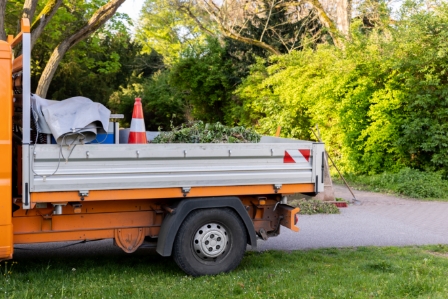
- Clean up the debris from the vegetation removal.
The Cooperative Shall:
- Evaluate the situation for hazards to DCREMC facilities.
- Strive to maintain service to existing customers.
- Look for alternatives to lowering any primary lines.
- Arrange for DCREMC’s line clearing contractor to remove any vegetation hazardous to DCREMC facilities.
The Cooperative will assist members when possible with situations involving primary conductors for vegetation removal.
Our tree trimming contractor adheres to guidelines established by the Utility Arborist Association, Tree Care Industry Association, and the National Electric Safety Code.